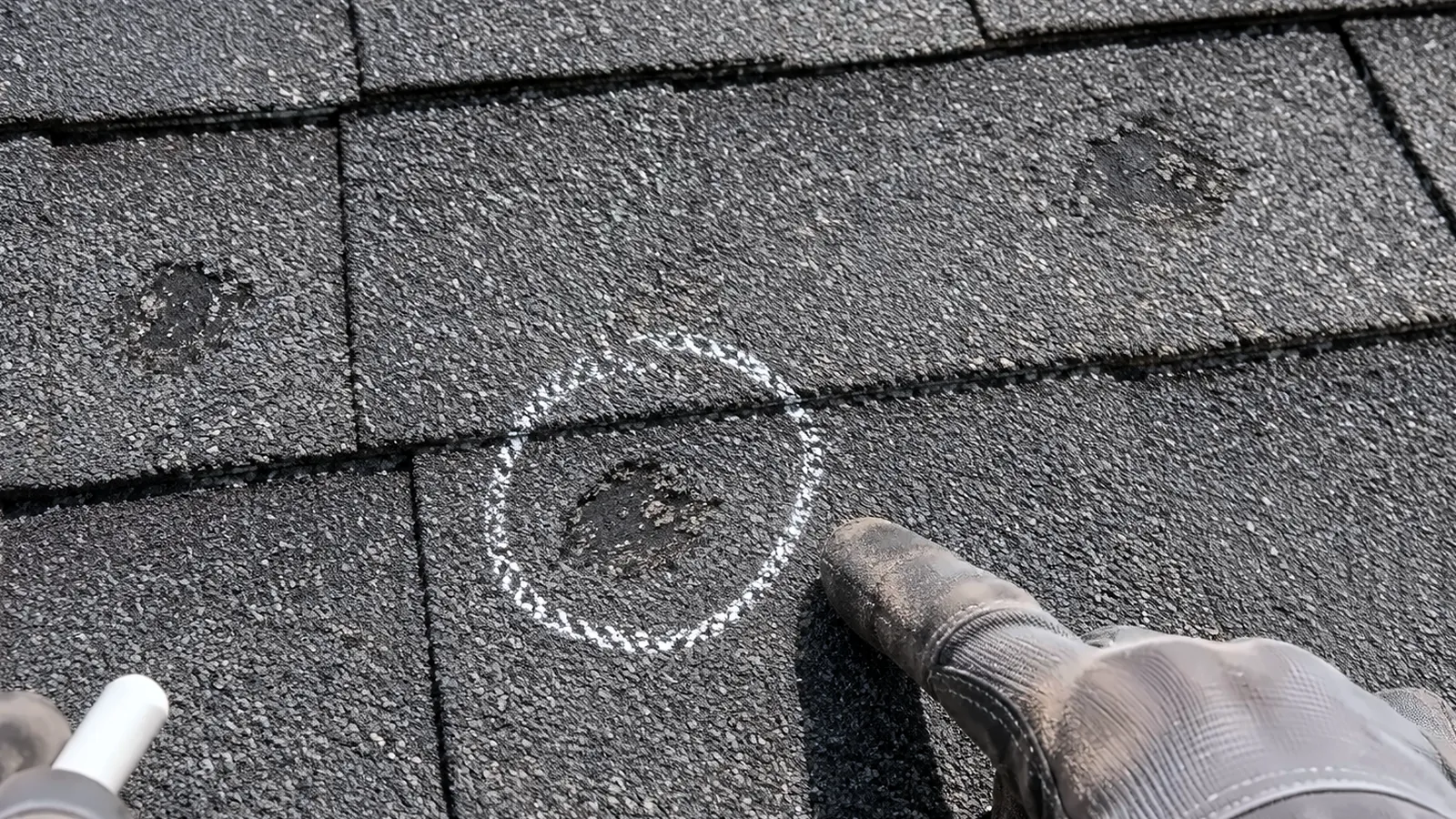
What "Class 4" means
Impact-resistant shingles are tested by dropping steel balls of increasing size onto them. Class 4 is the highest rating: the shingle survives a 2-inch ball without cracking through. In real storms, no shingle is hail-proof, but Class 4 shingles hold up to typical hail far better than standard ones.
How they're different
Most impact-resistant shingles use polymer-modified asphalt (often called SBS). It makes the shingle more rubbery, so it flexes on impact instead of cracking. That flexibility also helps with New Mexico's big day-to-night temperature swings.
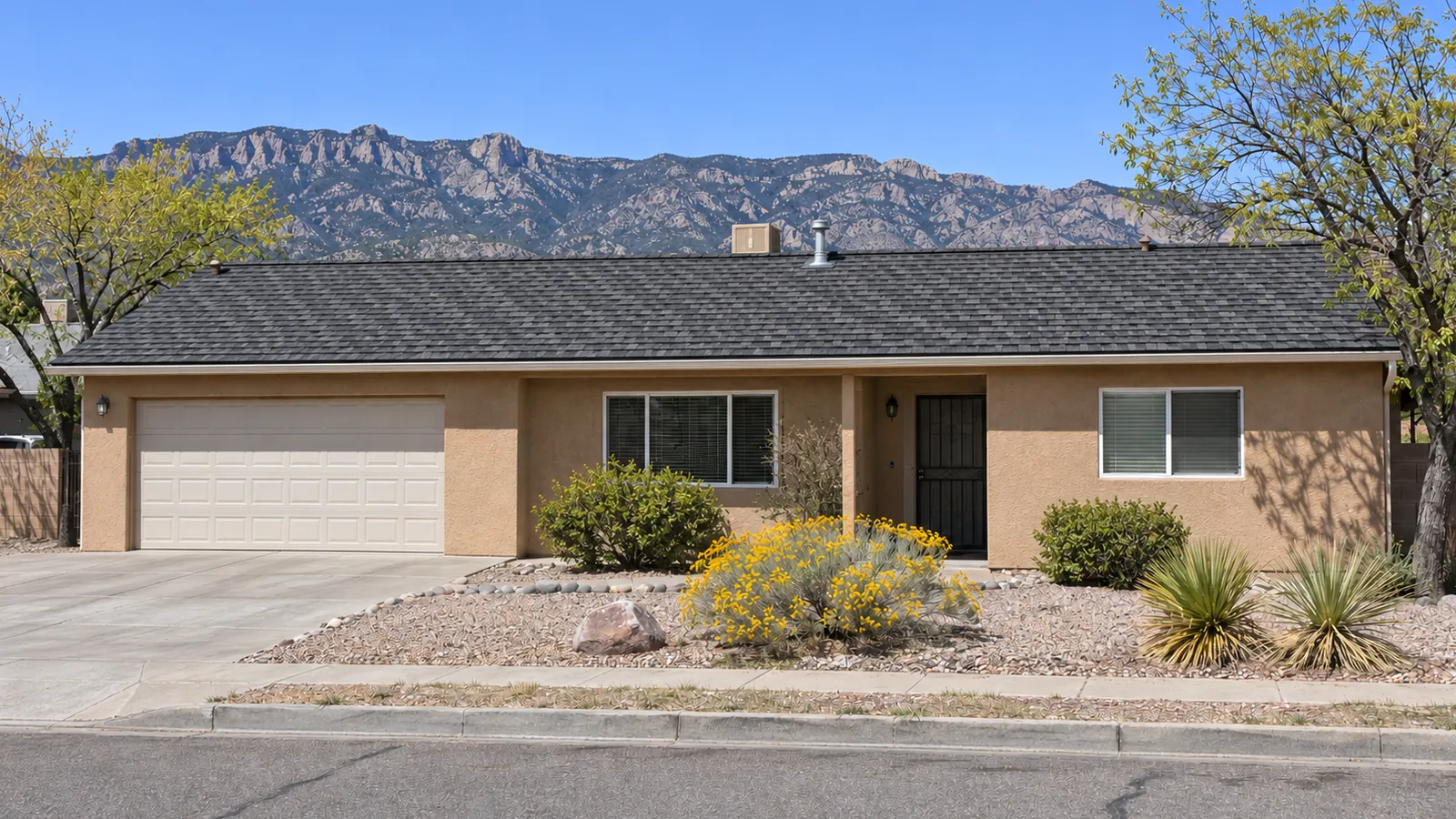
Lines we install
| Manufacturer | Impact-rated options |
|---|---|
| GAF | Impact-resistant versions of its Timberline architectural shingles |
| Owens Corning | Duration shingles with impact-rated versions, such as Duration FLEX and Duration STORM |
| Malarkey | Polymer-modified lines, including Vista and Legacy |
Product names and ratings change; your estimate will list the exact shingle and its rating.
Cost
Expect impact-resistant shingles to cost somewhat more than standard architectural shingles — often a modest bump on the total job, since labor, tear-off and underlayment are the same. Compare against our Placitas cost guide.
Insurance discounts
Some insurers offer a premium discount or better terms for Class 4 roofs. It varies by company, so ask your agent before you choose — the savings can help pay for the upgrade over the years.
Who should consider them
- Homes that have had a hail claim before
- Exposed hillside and ridge-top lots
- Anyone planning to stay put for many years
Not ready for shingles at all? Standing-seam metal is the other hail-tough option, and it suits many Placitas homes.
Call (505) 230-4024 for a quote with standard and Class 4 options side by side.
Questions homeowners ask
Are Class 4 shingles hail-proof?
No. Very large hail can still damage them, but they resist typical hail much better.
Do they look different from regular shingles?
Most look just like standard architectural shingles.
Can I get them through an insurance claim?
Insurers usually pay for like-kind replacement. You can often pay the difference to upgrade — ask your adjuster.